
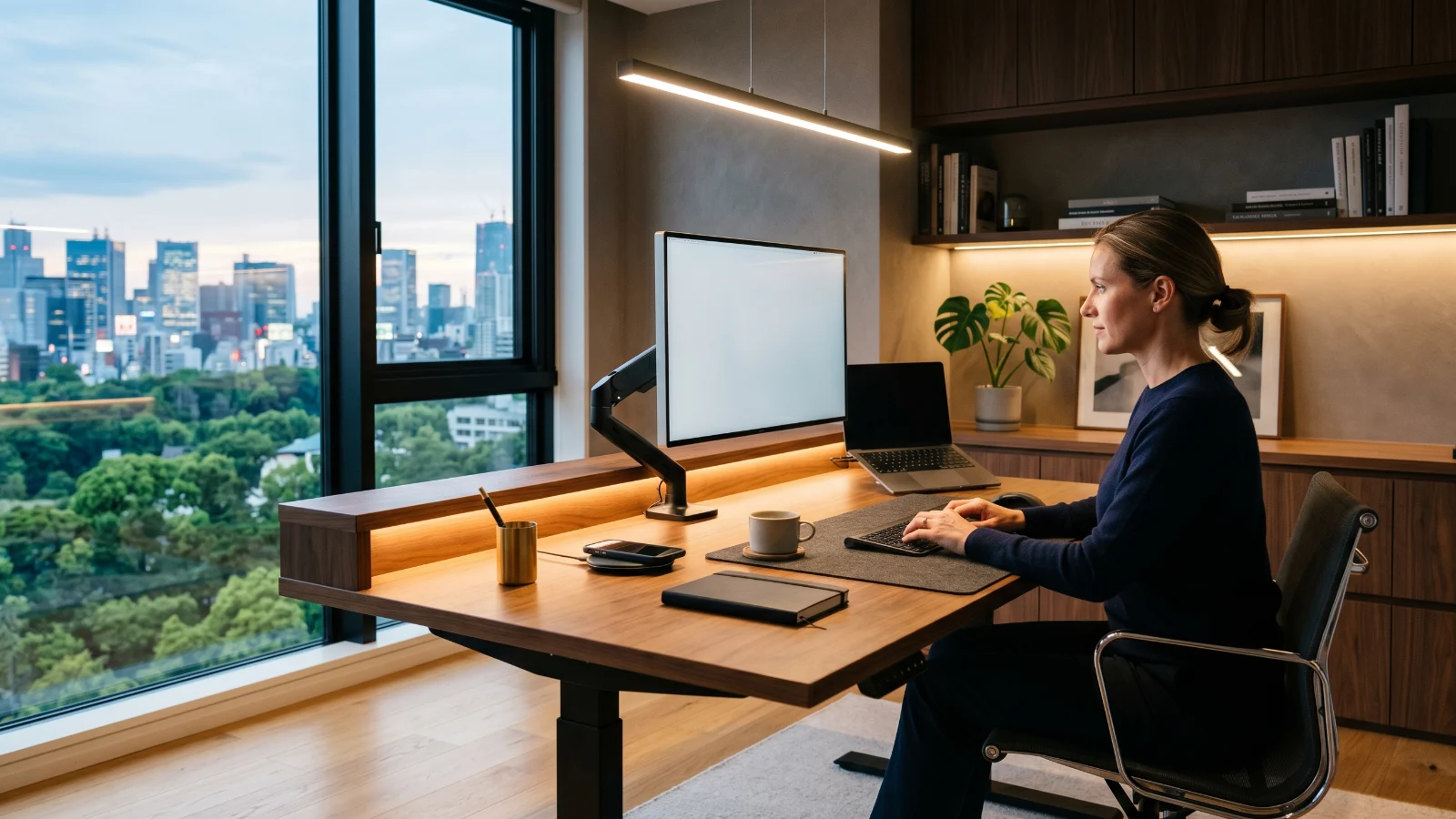
The Southeast Asia market is experiencing an unprecedented evolution in how high-value work is executed. Driven by a massive wave of ASEAN digital transformation, the boundaries between enterprise spaces and the luxury lifestyle home have completely dissolved. In thriving economic centers—from the rapid real estate developments powering Bangkok businesses to the creative hubs fueling Chiang Mai startup culture—high-earning executives, venture-backed founders, and elite digital creators are rethinking their environments. They are no longer just looking for comfort; they are demanding a premium solution for cognitive optimization.
At a time when Thai ecommerce growth is setting regional records and business automation is reshaping corporate scalability, the physical workspace has become a critical factor in performance. High-income professionals are learning that local micro-distractions—such as handling tropical heat, fluctuating ambient light, or managing multiple fragmented electronics—directly drain their creative energy.
Turning a residential space into a high-performance workspace requires moving beyond basic gadgets. It demands a highly strategic ecosystem of smart home hardware, integrated cloud software, and advanced AI automation. Investing in the best smart home infrastructure is no longer a luxury lifestyle choice; it is a vital business productivity strategy designed to maximize daily output, capture new investment trends, and build long-term wealth.
1. Intelligent Atmospheric Control: Premium Solutions for Cognitive Longevity
For Thai entrepreneurs and executives working long hours, maintaining peak mental clarity is directly tied to managing the indoor environment. High temperatures and fluctuating humidity levels across the Southeast Asia market can cause subtle, ongoing fatigue that lowers daily productivity.
Smart atmospheric control platforms serve as a vital tool for business productivity by removing environmental distractions before they disrupt your workflow.
+-----------------------------------------------------------------------+
|                 INTELLIGENT ATMOSPHERIC FLOW                          |
| [ Real-Time Sensibo/Nest Sensors ] ──► Detects Humidity & Heat Spikes|
| [ Localized Inverter Sync ]        ──► Micro-Adjusts AC Outputs       |
| [ PM2.5 Air Purifier Link ]        ──► Optimizes Oxygen & Air Quality |
+-----------------------------------------------------------------------+
Automated Climate Optimization via Sensibo and Nest
Standard air conditioning units often create an inefficient cycle of over-cooling and manual adjustments, which constantly breaks deep focus. Implementing smart AC controllers, such as the Sensibo Air PRO or the Google Nest Learning Thermostat (integrated with local relay switches), allows for automated climate control.
These premium tools track local humidity alongside indoor temperatures, adjusting inverter systems to maintain a steady environment. This integration ensures that whether you are reviewing complex wealth management strategies or coordinating an international video conference from Bangkok, your focus remains entirely uninterrupted.
Advanced Air Quality Systems for Mental Sharpness
Urban business hubs often face challenges with seasonal air quality changes and rising PM2.5 levels. Integrating smart air purifiers, such as the Dyson Purifier Cool or the Xiaomi Smart Air Purifier Pro series, into an automated control platform ensures real-time air filtration.
These smart systems track air quality indicators and automatically increase filtration when pollution levels rise, protecting your health and ensuring you stay sharp throughout the workday.
2. Dynamic Lighting Ecosystems: Tailoring Focus with Bio-Adaptive Technology
Lighting is one of the most effective tools for managing human energy levels, directly influencing focus, mood, and sleep quality. In the modern workspace, static, bright fluorescent lighting can cause eye strain and early fatigue, while overly dim setups lower motivation.
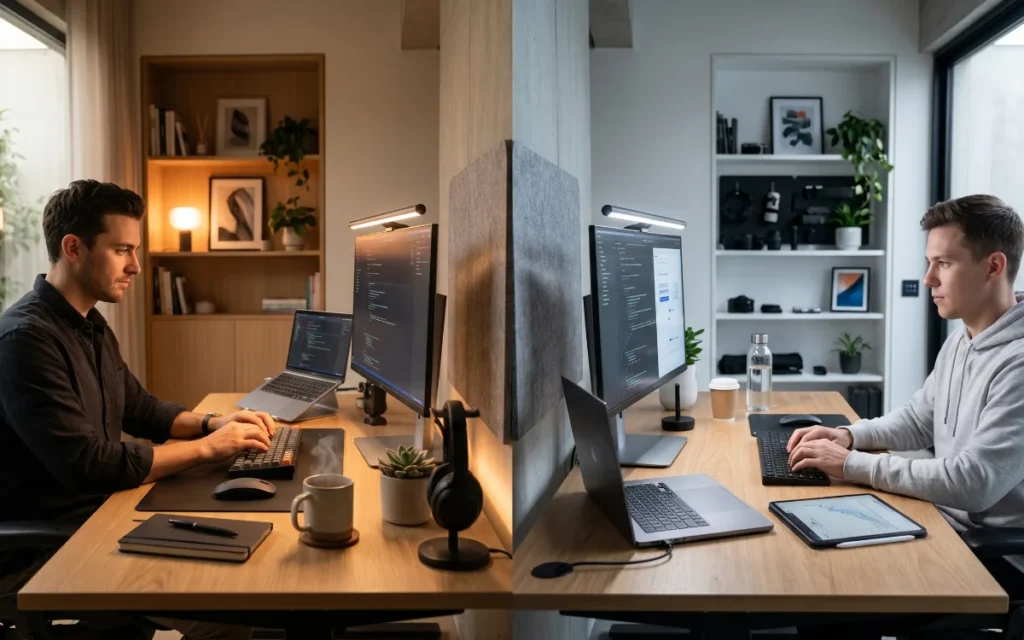
Using smart lighting as a productivity tool helps align your workspace with your natural daily rhythms.
  [ 08:00 AM ] ──► 5500K Crisp Blue-White ──► Cortisol Spike & High Focus
  [ 02:00 PM ] ──► 4000K Balanced Neutral  ──► Sustained Mental Energy
  [ 07:00 PM ] ──► 2700K Warm Amber        ──► Melatonin Production & Recovery
Advanced Lighting Calibration with Philips Hue
The Philips Hue ecosystem stands out as a top software and hardware setup for professional bio-adaptive lighting. Using the brand’s sophisticated applications, Thai users can program customized daily lighting routines:
- Morning Energy Boost: Automatically transitions to a crisp, high-intensity cool white light ($5500\text{K}$) at 8:00 AM to encourage early focus and support morning routines.
- Mid-Day Focus Maintenance: Shifts to a balanced neutral spectrum ($4000\text{K}$) to sustain energy through long afternoon projects and reviews of regional business metrics.
- Evening Wind-Down: Gradually softens into a warm amber glow ($2700\text{K}$) past 6:00 PM, helping reduce eye strain and supporting natural rest cycles after a long workday.
Smart Switches and Visual Workflow Triggers
Integrating smart wall switches, like Lutron Caséta or local Aqara zigbee systems, ensures these lighting settings function smoothly across your workspace. Beyond simple color adjustments, these systems can be programmed as visual cues for your workflow.
For instance, your lighting can gently shift colors to indicate the start of a deep-focus session, signal an upcoming board call, or notify you when it’s time to step away from the desk. This visual structure helps you maintain a disciplined schedule without needing constant phone alarms.
3. High-Fidelity Smart Displays and Voice Command Hubs: The Central Command
A successful smart office relies on a central command center that unifies your devices, handles schedules, and simplifies communication. Premium smart hubs, such as the Apple HomePod Max, Google Nest Hub Max, or Amazon Echo Show, act as intelligent assistants that keep you organized throughout the day.
+-------------------------------------------------------------------------+
|                          SMART HUB COMMAND CENTER                       |
|  [ Voice Command Input ]   ──► Hands-Free Schedule & System Control     |
|  [ Live Dashboard Sync ]   ──► Real-Time Calendar, Tasks, & IoT Status  |
|  [ Enterprise Secure API ] ──► Multi-Platform Software Integration      |
+-------------------------------------------------------------------------+
Hands-Free Task Management and Daily Planning
For founders handling tech initiatives or digital creators managing rapid ecommerce growth, time is a highly valuable resource. Smart displays allow you to look up your calendar, track project timelines, or review incoming business data entirely hands-free. A quick glance or voice command lets you check your morning schedule, review delivery timelines, or monitor your home security while staying focused on your primary task.
Seamless Software and Communication Integrations
These high-end smart hubs connect directly with key business tools and platforms:
- Smart Calendar Syncing: Coordinates seamlessly with enterprise software like Google Workspace and Microsoft 365, giving you instant voice access to your daily schedule.
- Unified Communications: Handles internal voice and video calls through platforms like Zoom or Microsoft Teams, keeping you connected with regional offices across the Southeast Asia market.
- Cross-Device Automation: Triggers custom automation routines with a single word—such as adjusting the climate, setting the lights, and silencing alerts the moment you say “Start Focus Session.”
4. Smart Security and Access Systems: Protecting High-Value Workspaces
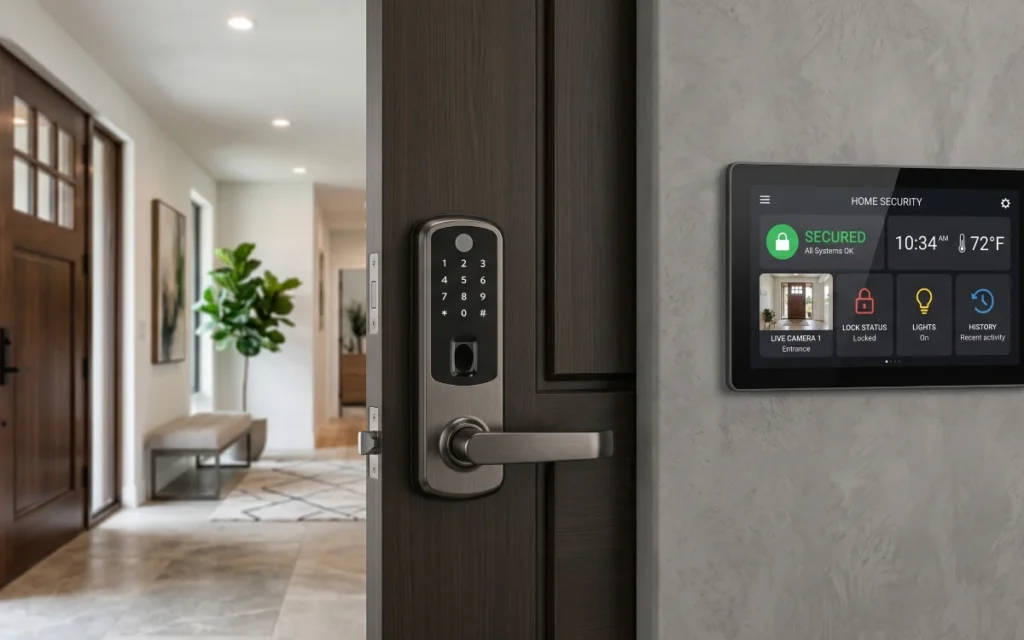
With more high-income professionals handling confidential data, managing significant digital assets, and running businesses from home, security has become a core priority. High-performance home offices need strong, reliable security systems to protect both physical equipment and digital intellectual property.
   [ Smart Video Doorbell ]  ──► Real-Time AI Face Recognition
   [ Smart Biometric Lock ]  ──► Fingerprint & Encrypted Token Entry
   [ Cloud Security Hub ]    ──► Automated Logs & Instant Remote Alerts
Biometric Access Control via Yale and Aqara
Smart door locks from leading brands like Yale Premium Series or Aqara U100 provide secure, keyless entry to your home or private office. These systems use biometric fingerprint scanners, encrypted PIN codes, and temporary digital access keys. This allows you to grant secure access to assistants, corporate couriers, or maintenance teams while keeping a detailed log of all entries and exits.
AI-Powered Video Monitoring for Uninterrupted Focus
Using smart video doorbells, such as the Google Nest Doorbell or the Eufy Security Video Doorbell, helps prevent unnecessary interruptions during the workday. These systems use advanced on-device AI to differentiate between family members, delivery personnel, and passing traffic.
When a package arrives, the system sends a quiet notification directly to your smart display or desktop window. This lets you monitor deliveries without needing to leave your desk, keeping your momentum going through critical tasks.
Comparative Assessment of Leading Smart Productivity Platforms
Choosing the right ecosystem depends on your primary devices, preferred software, and automation needs. This table compares the major smart home platforms to help you choose the best fit for your workspace:
| Smart Ecosystem | Primary Core Protocols | Device Compatibility | Ideal User Persona | Integration with Business Software |
| Apple HomeKit | Matter, Thread, BLE | Exclusively Apple Hardware Ecosystem | Apple Power Users & Security-Conscious Executives | High integration with iOS Calendars, Reminders, and iCloud Enterprise tools. |
| Google Home | Matter, Wi-Fi, Cloud API | Broad Third-Party Hardware Support | Android Users & Google Workspace Teams | Seamless integration with Google Calendar, Meet, and real-time Android notifications. |
| Amazon Alexa | Matter, Zigbee, Wi-Fi | Extensive Smart Home Component Support | Multi-Device Power Users & International E-commerce Operators | Strong compatibility with varied productivity software via third-party Alexa Skills. |
| Aqara / Mi Home | Zigbee 3.0, Matter | High-Value Modular Sensors & Switches | Tech Enthusiasts & Agile Southeast Asian Founders | High modular flexibility; connects to main ecosystems via Matter bridges. |
Strategic Analysis: Market Benefits, Operational Risks, and Future Horizons
Building a high-performance smart office requires balancing the clear productivity benefits against technical challenges and future developments.
Quantifiable Benefits to Productivity
The primary value of a smart office is its ability to reduce daily friction. Automating routine tasks—like adjusting lights, managing room temperatures, and handling basic security—saves valuable time and energy.
For growing startups and fast-moving entrepreneurs, this added efficiency allows teams to spend less time managing their environment and more time focused on scaling their business. Over a fiscal year, minimizing small distractions can significantly increase your overall productive output.
[ Manual Environment Management ] ──► Distraction Loops ──► Cognitive Fatigue
[ Automated Smart IoT Workspace ] ──► Continuous Focus  ──► Higher Output & Scaling
Cybersecurity Protocols and Device Limitations
As you connect more devices to your workspace, maintaining strong network security is essential. Smart devices can introduce potential vulnerabilities if they are not properly secured.
To protect your home network, consider these core safety steps:
- Network Segmentation: Set up your smart home devices on an isolated guest Wi-Fi network to keep them separate from your primary work computers and sensitive company data.
- Local Processing Hardware: Choose smart components that support local processing (such as Zigbee, Thread, or Matter protocols) to keep your devices running smoothly even if your internet connection drops.
- Strong Authentication Practices: Always change default factory passwords immediately, keep device firmware updated, and require multi-factor authentication (MFA) across all smart home accounts.
The Next Frontier: AI-Driven Predictive Offices
The future of smart workspaces lies in predictive automation powered by artificial intelligence. Instead of waiting for manual commands or strict schedules, future systems will analyze your working habits to adjust the room in real time.
By tracking your calendar and monitoring subtle changes in your heart rate or skin temperature via wearable tech, your office will automatically fine-tune lighting levels, adjust air circulation, and manage notifications. This level of automated support helps keep you in a flow state longer, changing your office from a simple room into an active partner in your professional success.
Frequently Asked Questions
Are international smart home devices fully compatible with Thailand’s electrical standards?
Most premium smart devices use global dual-voltage standards ($110\text{V} – 240\text{V}$), making them fully compatible with Thailand’s electrical infrastructure. However, it is important to check the power specifications for high-draw appliances like smart air conditioners, switches, or motorized blinds. Always work with qualified local electricians in Bangkok or Chiang Mai to ensure your systems are safely wired and grounded.
Can I mix different device brands within a single productivity workspace?
Yes, thanks to the widespread adoption of universal smart standards like Matter and Thread. These modern protocols allow devices from different manufacturers—such as an Aqara sensor, a Philips Hue light, and an Apple HomePod—to communicate smoothly with each other. This flexibility lets you select the best hardware for each task without being locked into a single brand.
How much internet bandwidth does a fully automated smart office require?
Basic smart devices like switches, lights, and environmental sensors use minimal data, sending small text commands that won’t impact your internet speed. However, streaming multiple high-definition security cameras or smart displays can use more bandwidth. For a smooth experience, pairing your devices with a reliable fiber-optic internet connection from local providers like AIS or True ensures your workspace runs without lag.
Do smart home automation tools continue to work if the internet goes down?
Systems built on local connection protocols like Zigbee, Thread, or local Matter networks will continue to run their pre-programmed automation routines even if you lose internet access. Only features that rely on cloud servers—such as remote phone alerts, voice assistants, and off-site video storage—will be temporarily paused until your connection returns.
What is the average return on investment for a premium smart office setup?
While high-end smart devices require an upfront investment, they deliver clear returns through improved energy efficiency and time savings. Smart climate control and adaptive lighting can lower monthly utility costs by up to $20\text{–}30\%$. More importantly, the time saved by reducing daily distractions allows busy professionals to focus on high-value projects, supporting business growth and career development.
Professional Technology & Financial Disclaimer
The information provided in this article is for educational, informational, and journalistic purposes only and should not be taken as professional financial, engineering, legal, or network security advice. Product pricing, software features, manufacturer policies, data privacy terms, and third-party integrations can change over time based on market conditions and developer updates.
Readers should always perform independent research, verify product compatibility, and consult with certified technicians or IT security specialists before installing complex automation setups or linking smart devices to corporate networks. No guarantees are made regarding specific energy savings or productivity gains, as individual results will vary depending on use patterns and configuration.