 by
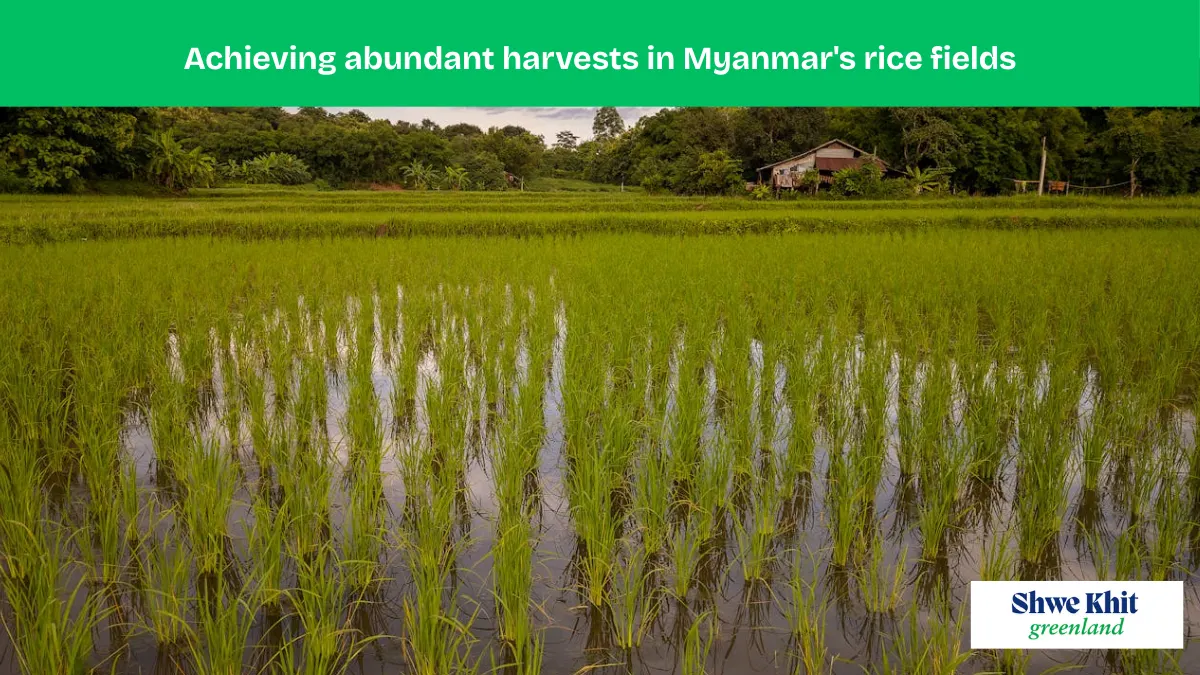
by While rice can be grown across various regions of Myanmar under different environmental conditions, achieving target yields depends on two critical factors: the choice of rice variety and the systematic application of cultivation technology.
High-Yielding Varieties (HYV) suitable for local soil and water conditions inherently possess high genetic yield potential. However, to fully realize this potential, a systematic approach to cultivation techniques is essential.
1. Yield Components and Growth Periods
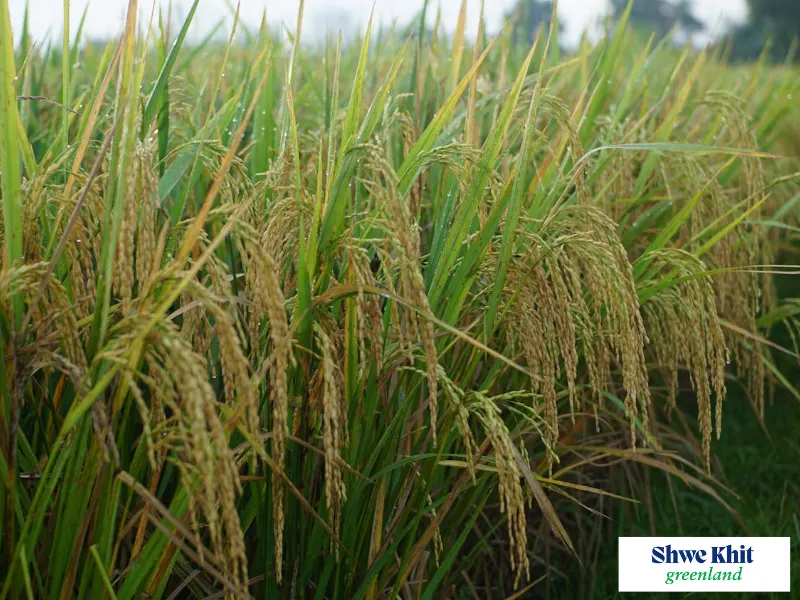
Understanding the basic components of rice yield is fundamental. By optimizing each component, farmers can significantly increase their overall harvest.
The Key Components of Rice Yield:
- Number of panicles per given area
- Number of grains per panicle
- Filled grain percentage
- 1,000-grain weight
Factors Influencing Rice Yield
| No. | Yield Components | Contribution to Yield (%) |
| 1 | Number of panicles per unit area | 60.2% |
| 2 | Filled grain (%) + 1,000 grain weight | 21.2% |
| 3 | Number of panicles + Filled grain (%) | 75.7% |
| 4 | Number of panicles + 1,000 grain weight | 78.5% |
| 5 | Number of panicles + Filled grain (%) + 1,000 grain weight | 81.5% |
Relationship Between Growth Phases and Yield Components
| Key Yield Components | Growth Phases |
| Number of Panicles | Vegetative Phase |
| Number of Grains per Panicle | Reproductive Phase |
| Filled Grain (%) and 1,000 Grain Weight | Ripening Phase |
Target Yield Requirements
To reach the target yield of 100 baskets per acre for monsoon rice and 110 baskets for summer rice, the following yield components must be optimized:
1. Panicle Count
A density of approximately 375 panicles per square meter is required. In a transplanting system, maintaining between 110,000 to 190,000 hills per acre ensures about 8 to 14 panicles per hill. If panicle counts are low, consider the following:
- Improve soil quality in nutrient-deficient areas.
- Ensure precise and systematic fertilizer application.
- Maintain adequate water levels during the tillering stage to prevent drying.
2. Grain Count per Panicle
A target of 80 to 100 grains per panicle is necessary. If this is not achieved:
- Adjust planting dates so the crop receives maximum sunlight during the 1 to 3 weeks following the booting stage.
- Provide full nutritional support (fertilizer) during this period.
3. Filled Grain Percentage
The filled grain percentage should be above 80%. To improve this:
- Time the planting so that the flowering period occurs within an ideal temperature range of 20°C to 35°C. Avoid extreme heat or cold during flowering.
- Prevent lodging (plants falling over) by adjusting the hill density and nitrogen fertilizer levels according to the rice variety and soil type.
- Ensure consistent water availability during the flowering stage.
4. Grain Weight
The 1,000-grain weight should be at least 20 grams. While this varies by variety, it can be improved by:
- Applying nitrogen fertilizer during the heading and flowering stages to ensure adequate nutrition.
- Promoting larger leaf surface areas through proper fertilization, allowing for better photosynthesis and nutrient storage during the flowering stage.
Essential Cultivation Technologies to Follow
1. Use Pure Certified Seeds (CS): Always plant High-Yielding Varieties (HYVs) from certified sources. This can increase yield by 15% to 20%. Unpure seeds lead to uneven flowering and ripening, which reduces overall yield.
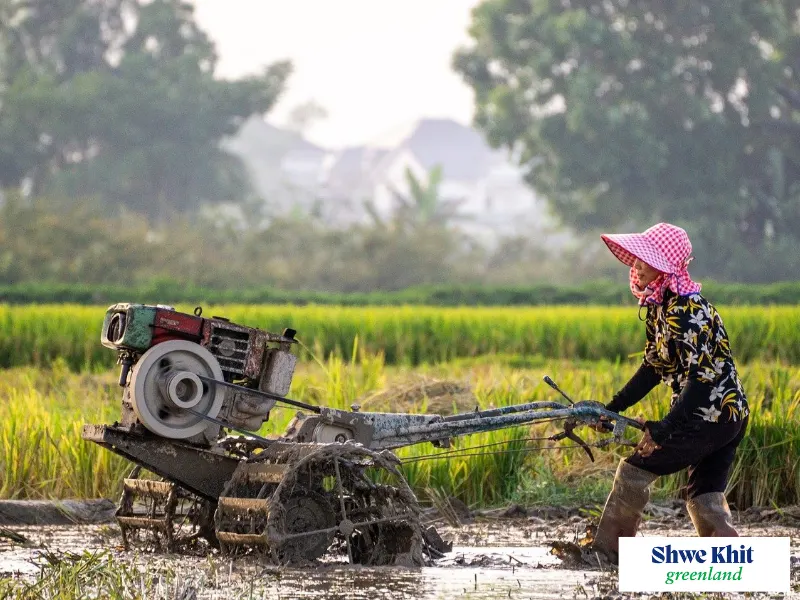
2. Thorough Land Preparation: Proper soil tilling and surface leveling are crucial. Planting in poorly prepared soil (“rotten mud”) due to time constraints can lead to yield loss. Uneven surfaces cause irregular water distribution and increased weed problems.
3. Strategic Planting Dates: Timing is everything. Lack of sunlight during the booting stage (16 to 20 days before flowering) leads to fewer grains. Similarly, temperatures below 20°C or above 35°C during flowering cause poor grain filling. Always calculate your planting dates in advance.
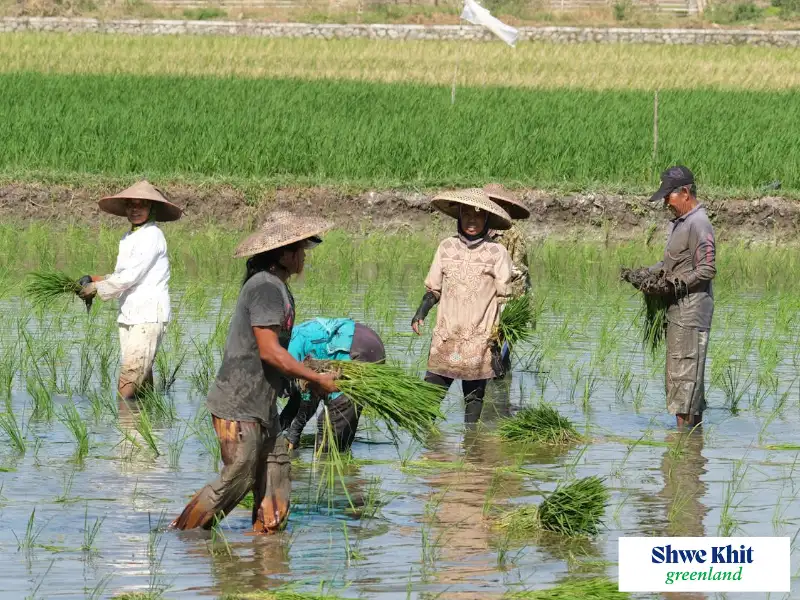
4. Gap-Filling (Maintaining Plant Population): Even with high-density planting, some plants may die. It is essential to perform gap-filling within 7 to 10 days of transplanting to ensure at least 110,000 hills per acre remain at harvest time.
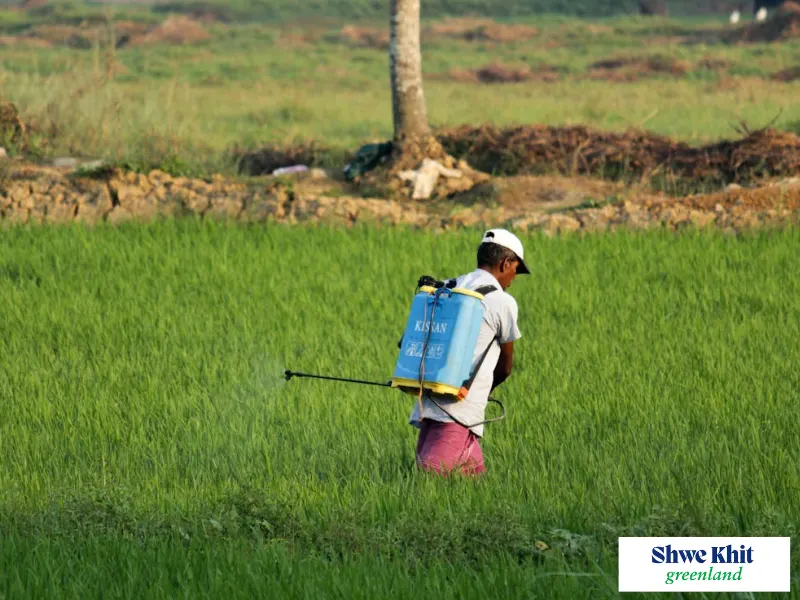
5. Weed Management within the First Month: Weeds compete for sunlight, water, and nutrients. Failure to control weeds in the early stages will significantly drop yields. Ensure the field is weed-free within the first 30 days using tilling, mechanical weeders, or appropriate herbicides.
6. Reliable Water Supply: Rice thrives in areas with at least 8 inches of monthly rainfall for four consecutive months. In areas with less rain, irrigation is mandatory. Water must be available from the tilling stage through to grain maturity. Lack of water leads to weed growth and stunted panicles.
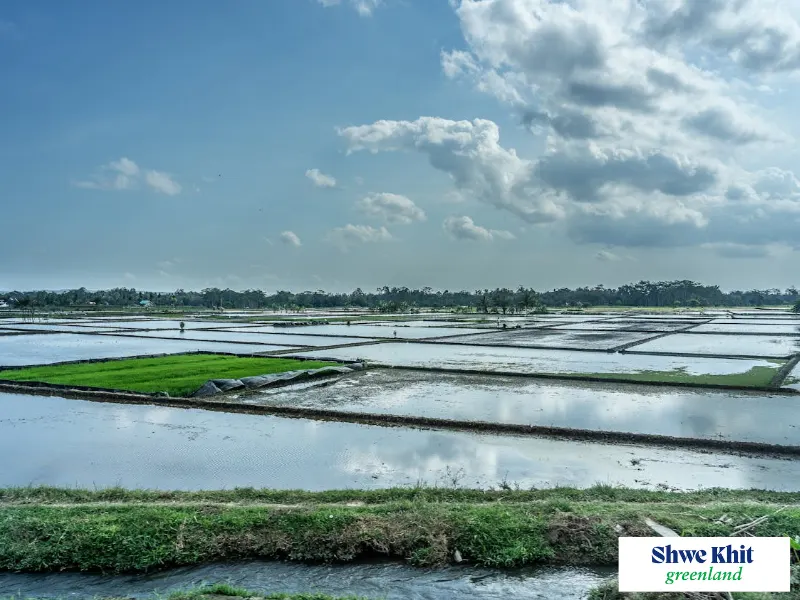
7. Systematic Water Level Control: Keep water levels saturated (very shallow) for the first 20 days after transplanting to encourage productive tillers. From day 25 to 30 until the booting stage, increase water levels to suppress non-productive late tillers.
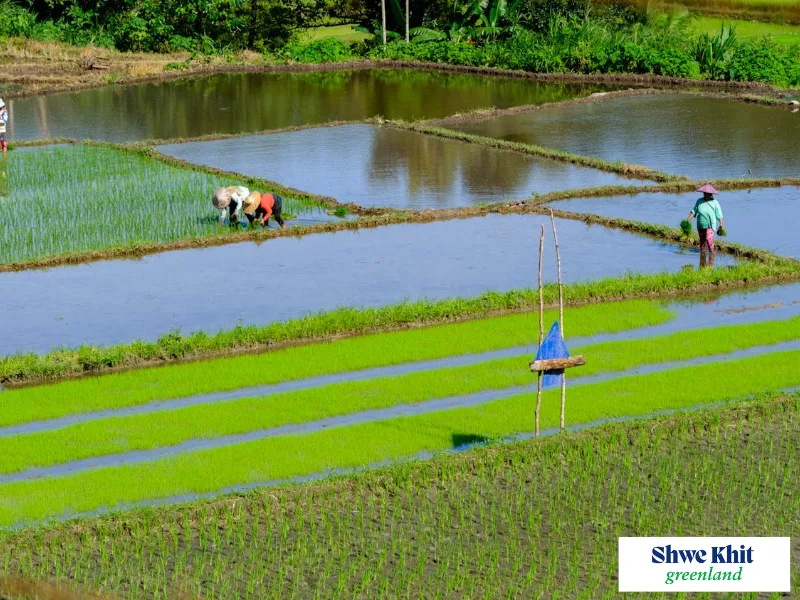
8. Optimal Harvesting and Post-Harvest Practices: Rice should be harvested during the “Golden Ripening” stage (25 to 30 days after flowering), when about 85% of the grains turn yellow. Immediate threshing and drying are required to prevent losses.
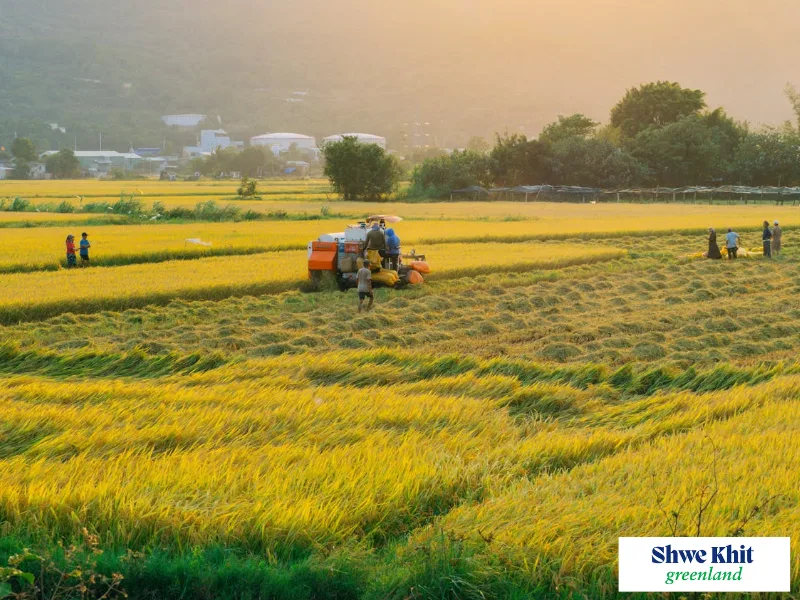
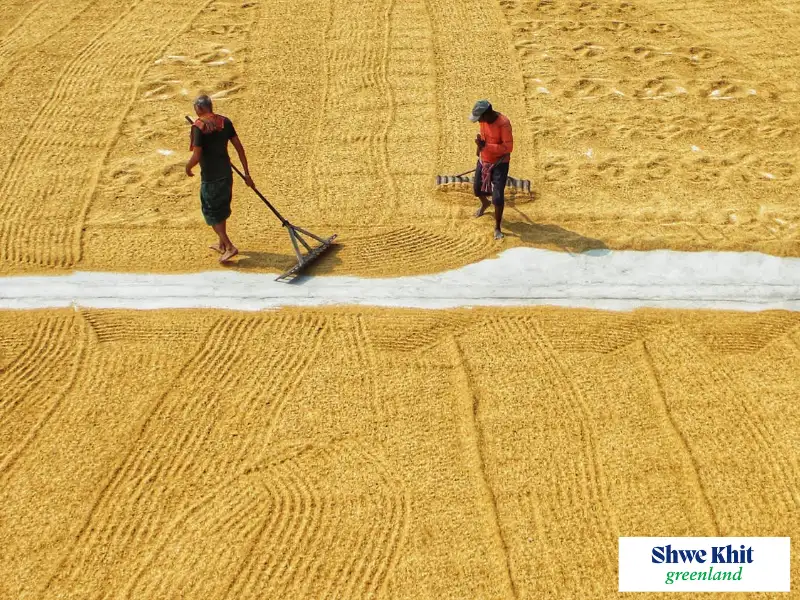
From the moment of reaping until the grain reaches the barn or warehouse, losses can occur at every stage. Understanding these points is the first step in prevention:
| No. | Post-Harvest Activity | Estimated Loss (%) |
| 1 | Harvesting (Reaping) | 1% to 10% |
| 2 | Threshing | 2% to 6% |
| 3 | Drying | 1% to 5% |
| 4 | Storage | 2% to 6% |
| 5 | Milling | 2% to 10% |
Essential Post-Harvest Management Practices
To minimize grain loss and maintain high quality, the following post-harvest technical guidelines must be strictly followed:
A. Harvest During the “Golden Ripening” Stage
The ideal time to harvest rice is between 25 to 30 days after flowering. This period is known as the “Golden Ripening” stage, characterized by 85% of the grains on the panicle turning yellow. Harvesting at this precise time significantly reduces grain shattering and minimizes field losses.
B. Immediate Transport and Threshing
Once the rice is harvested, it should be transported and threshed immediately. Delays in this process often lead to a reduction in final yield. Common reasons for delays include:
- Inaccessible transport routes to the field.
- Leaving sheaves on the bunds or sun-drying them in the field for too long to prepare for the next crop.
- Stacking sheaves without threshing for an extended period.
- Delaying the winnowing process once the grain reaches the threshing floor.
The final yield per acre is only truly realized once the grain is safely stored in the granary or warehouse. Any delay in the reaping or threshing process will directly result in lower yields.
Conclusion: Aiming for the Target Yield
From reaping to milling, the cumulative loss can range from 10% to 35%. Therefore, it is essential to manage every step of the post-harvest process systematically. Only by reducing these losses at every stage can farmers successfully achieve their “Target Yield” goals.