
 by
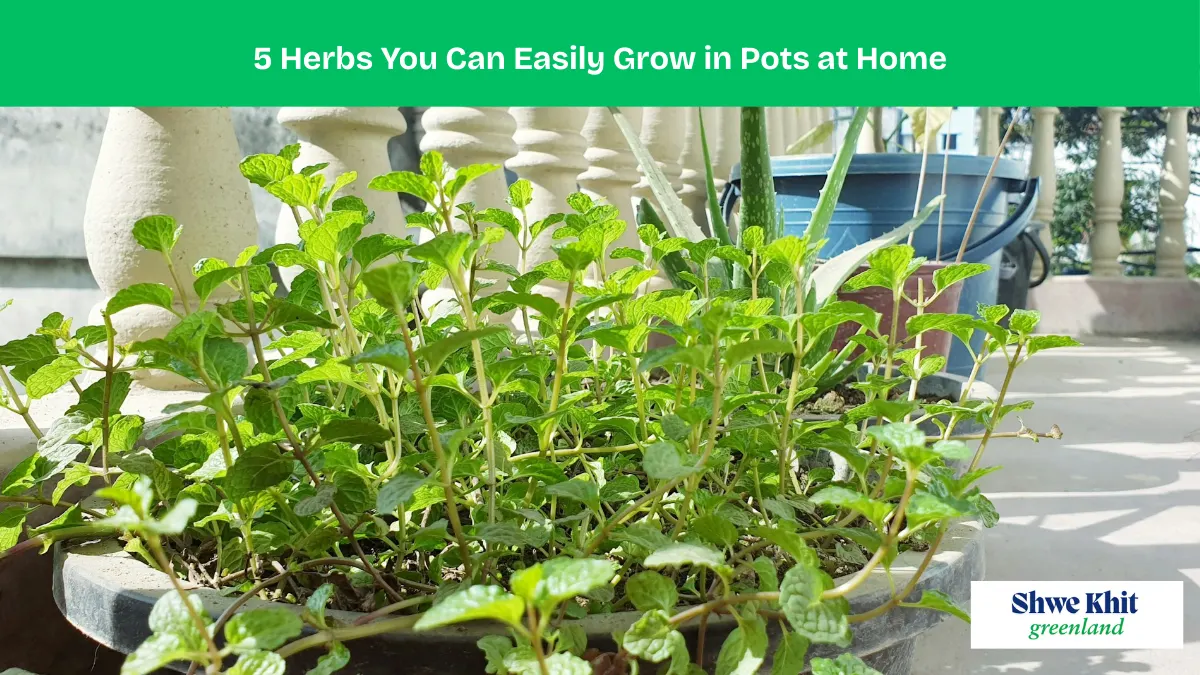
by Growing your own vegetables and herbs at home is a rewarding lifestyle choice. It provides you with immediate access to fresh ingredients, ensures food safety by avoiding chemical pesticides, and significantly reduces daily grocery costs. In the modern era, you don’t need a sprawling backyard to be a gardener. With a bit of creativity, you can transform small spaces like windowsills, balconies, or corridors into a productive mini-garden using clay pots, recycled plastic containers, or wooden crates.
In this detailed guide, we will explore five medicinal and aromatic herbs that are perfect for indoor cultivation and require minimal maintenance.
1. Mint (Peppermint/Spearmint)
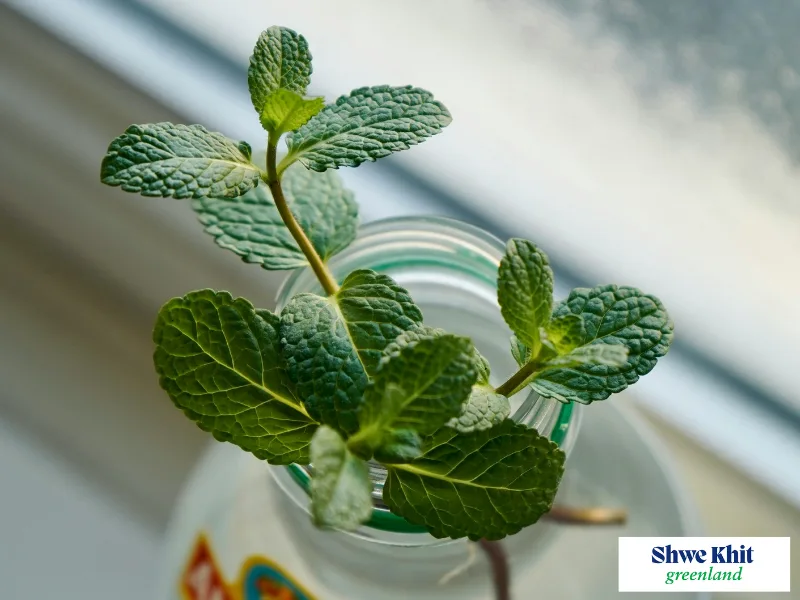
Mint is perhaps one of the most resilient and versatile herbs a beginner can grow. Its cooling sensation and refreshing aroma make it a favorite for various uses.
- How to Propagate: You don’t always need seeds. Simply take a healthy stem (about 4-5 inches long) from mint you bought at the market, strip the lower leaves, and place it in water or directly into moist soil. It will root and grow rapidly.
- Light and Soil: Mint thrives in bright, indirect sunlight but can also tolerate partial shade. While it loves moisture, ensure your pot has adequate drainage holes to prevent root rot.
- Culinary Uses: It is perfect as a fresh side dish with traditional fish paste (Ngapi), added to salads, or infused into refreshing beverages and teas.
- Health Benefits: Beyond flavor, mint aids in digestion, improves cognitive function, relieves symptoms of the common cold, and acts as a natural breath freshener. Its scent also naturally repels mosquitoes and common household pests.
2. Chives (Allium schoenoprasum)
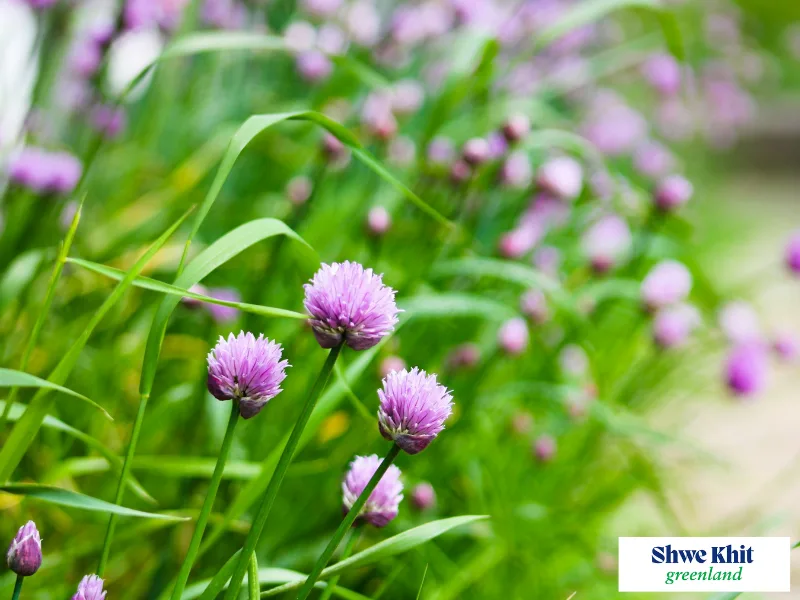
A close relative of onions and garlic, chives offer a subtle, savory flavor that elevates any dish. They are aesthetically pleasing with their grass-like leaves and occasional purple blooms.
- Growing Conditions: Indoors, chives require a sunny spot where they can receive 6 to 8 hours of light daily.
- Care and Maintenance: Use a well-draining potting mix. If the top inch of the soil feels dry to the touch, it’s time to water. To maintain the right humidity level indoors, you can lightly mist the foliage with a spray bottle once a day.
- Fertilization: They are light feeders. A simple nitrogen-rich fertilizer once a month is enough. However, avoid over-fertilizing, as it can diminish the potency of their natural essential oils and flavor.
- Health Benefits: Chives are packed with nutrients that support healthy vision, strengthen the immune system, and promote bone density. They also contain antioxidants that may help in cancer prevention.
3. Rosemary (Salvia rosmarinus)
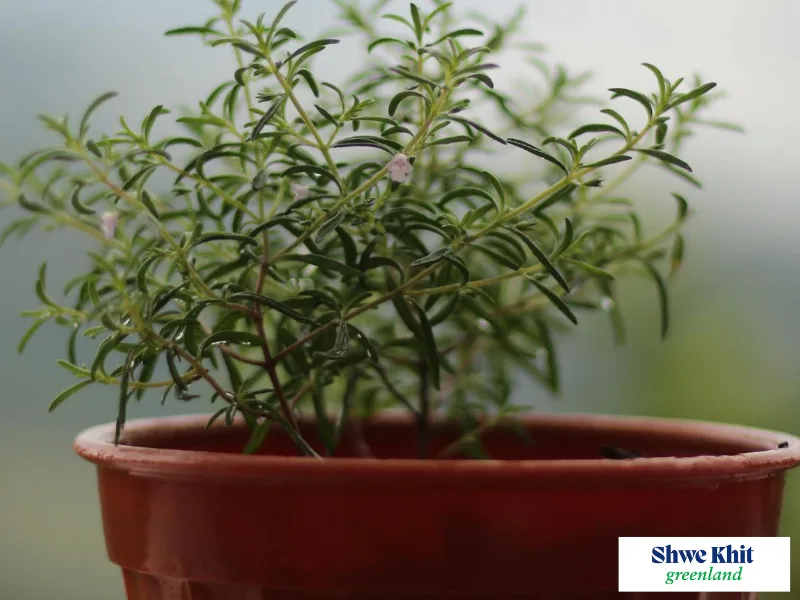
Rosemary is an aromatic evergreen shrub with needle-like leaves. It is highly prized in both culinary and aromatic industries.
- Sunlight is Key: This herb is sun-loving. If it doesn’t receive enough direct sunlight, it will struggle to grow. A south-facing window is usually the best spot.
- Watering Wisely: Rosemary is drought-tolerant but sensitive to overwatering. Always let the soil dry out slightly between watering sessions. Poor drainage is the leading cause of rosemary failure indoors.
- Potential Challenges: When grown indoors with poor air circulation, rosemary can sometimes develop powdery mildew. Placing a small fan nearby or ensuring good ventilation can prevent this.
- Health Benefits: Rosemary is celebrated for its ability to enhance memory and focus. It also helps regulate blood sugar levels and promotes healthy hair growth.
4. Basil (Ocimum basilicum)
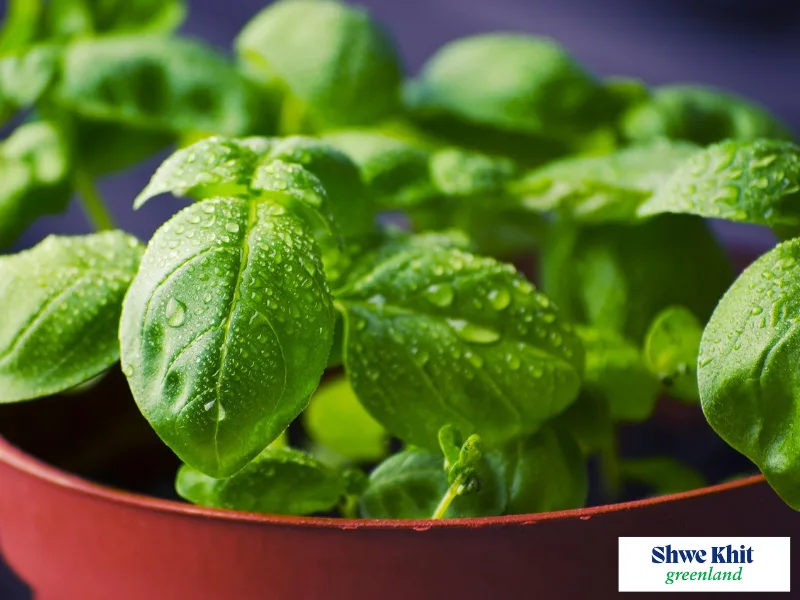
Basil is the king of herbs, essential for Italian dishes, stir-fries, and traditional soups. It is a warm-weather plant that brings a wonderful aroma to your kitchen.
- Indoor Care: Basil needs at least 6 hours of sunlight and a warm environment. Be careful not to place it near air conditioners or drafty windows, as it is sensitive to cold.
- Harvesting for Growth: To encourage a bushy plant, regularly pinch off the top leaves. This prevents the plant from becoming “leggy” and flowering too soon, which can make the leaves taste bitter.
- Fertilizing: If the leaves start looking pale or yellowish, apply a organic liquid fertilizer to boost its nutrients.
- Health Benefits: Basil is known for its anti-inflammatory properties. It aids digestion and contains essential oils that help maintain glowing, healthy skin.
5. Thyme (Thymus vulgaris)
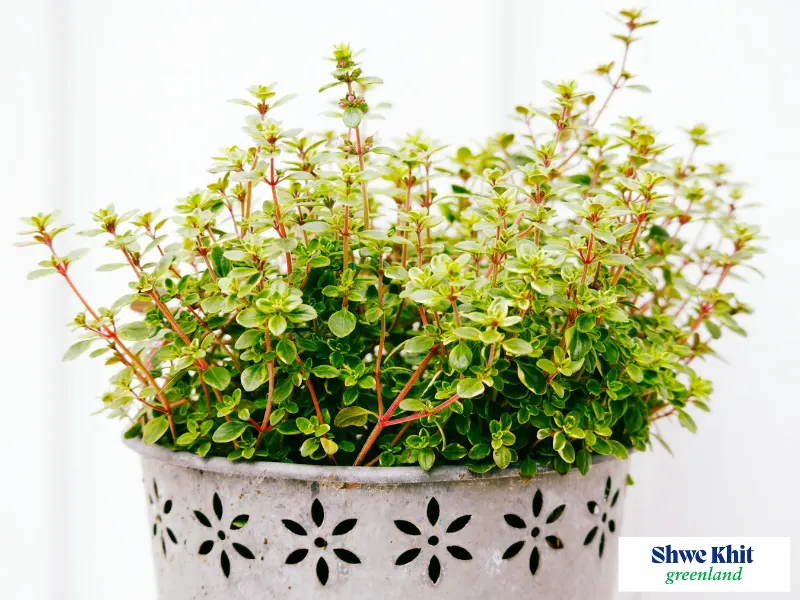
Thyme is a low-maintenance, drought-resistant herb that grows as a small, woody shrub. It is as beautiful as it is useful.
- The Perfect Soil Mix: Thyme requires exceptional drainage. A mix of potting soil, sand, and perlite or pumice is ideal. It prefers “dry feet,” meaning it likes its roots to stay relatively dry.
- Light Preference: While it thrives in full sun, it can adapt to bright, indirect light, making it suitable for balcony gardens.
- Culinary Versatility: It is an excellent seasoning for roasting meats, flavoring stews, and adding depth to soups.
- Health Benefits: Thyme has powerful antiseptic properties. It is often used to soothe sore throats and coughs, boost the immune system, and improve oral hygiene.