 by
by Sesame is a renowned crop, especially in the dry zones of Myanmar, including Magway, Mandalay, and Sagaing Regions. Farmers typically rush to plant sesame as soon as the early monsoon rains arrive. However, challenges such as unpredictable rainfall, drought, and soil degradation often lead to crop failure or low yields.
To mitigate these risks, moving from monocropping (planting only one crop) to an Intercropping System—where sesame is grown alongside another compatible crop—is a highly effective agricultural strategy.
The Benefits of Intercropping Systems
Intercropping involves growing two or more crops simultaneously on the same plot of land. This system offers several key advantages for sustainable crop production:
- Efficient Resource Utilization: Different crops have varying nutrient and water requirements. This allows the soil’s nutrients and moisture to be used more effectively than planting a single crop.
- Pest and Disease Management: Planting compatible crops together can act as a natural barrier. One crop can often deter pests or diseases that would otherwise devastate another, reducing the overall need for chemical interventions.
- Soil Fertility Improvement: When legumes are included in the mix, they fix atmospheric nitrogen into the soil, naturally enhancing soil fertility for the primary crop.
- Risk Mitigation: Growing multiple crops reduces the risk of total loss. If one crop fails due to climate change or market price fluctuations, the other can still provide yield and income.
Compatible Intercrops for Early Sesame
1. Groundnut (Peanut)
Groundnut is an excellent companion for early sesame. It enriches the soil by fixing nitrogen and acts as a living mulch, covering the soil surface to suppress weed growth in dry regions.
2. Green Gram (Mung Bean)
Green gram can be harvested before the sesame crop matures, providing early income for the farmer. As a legume, it boosts nitrogen levels and helps deter pests that target sesame plants.
3. Maize (Corn)
Maize has different nutrient requirements than sesame, making them good partners. The height of maize plants provides beneficial shade that helps maintain soil moisture in arid zones.
4. Cotton
Cotton does not significantly compete with sesame for natural resources. Its height creates a beneficial microclimate, and the pest control measures used for cotton often benefit the sesame plants as well.
5. Pigeon Pea
Long-duration pigeon pea varieties are usually planted in wide rows. Early sesame can be easily grown in the spaces between these rows. The pigeon pea further enriches the soil with nitrogen, benefiting the sesame crop.
Summary of Compatible Intercrops for Early Sesame
| Intercrop Type | Primary Benefit to Sesame | Best Planting Method |
| Groundnut | Nitrogen fixation and weed suppression. | Row intercropping for better coverage. |
| Green Gram | Early income and pest deterrence. | Row or mixed intercropping. |
| Maize | Provides shade and conserves soil moisture. | Wide row spacing. |
| Cotton | Creates a favorable microclimate. | Strip intercropping. |
| Pigeon Pea | Significant nitrogen enrichment. | Wide row intercropping. |
Systematic Intercropping Methods
Farmers can choose a method based on their local soil conditions and crop types:
- Mixed Intercropping: Seeds of both crops are broadcasted together. This is easy but can make weeding and harvesting difficult due to competition for sunlight and nutrients.
- Row Intercropping: One or both crops are planted in systematic rows. This makes weed control and harvesting much easier compared to mixed broadcasting.
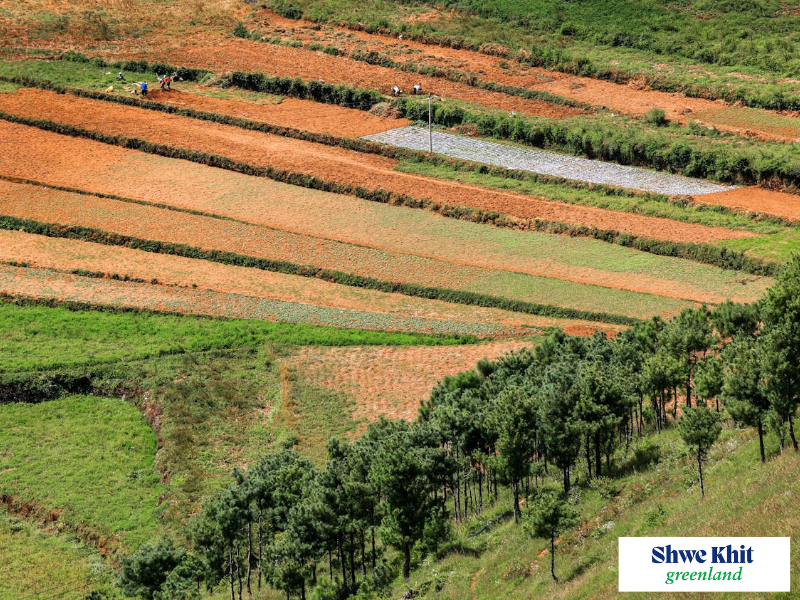
- Strip Intercropping: Crops are grown in wider strips (10 to 30 feet wide). On hilly slopes, creating these strips along the contours helps prevent soil erosion.
Important Considerations for Success
To ensure a successful harvest, farmers must maintain proper spacing between rows to avoid competition for sunlight and water. It is also important to consider the different harvesting times of each crop to manage labor effectively. Fertilization should be based on the specific nutritional needs of both crops.
By adopting these intercropping techniques, farmers in Myanmar’s dry zones can increase production, resist climate challenges, and contribute to the country’s edible oil sufficiency.